Oral Cancer is one of the most prevalent malignancy in developing countries and it makes up about 90% of all Head and Neck Cancer cases being detected worldwide. Oral Cancer is the seventh most prevalent type of cancer in the world. Around 640000 cases of Head and Neck Cancer cases are detected worldwide out of […]
Best Food for having Healthy Teeth
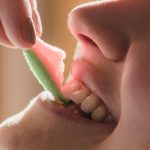
Health is directly related to what we eat and drink and your Oral cavity (Teeth and Gums) is the first point of contact to your Food. So keeping your Teeth healthy is vital for keeping your Body healthy. So let us look at the Food which help in keeping your Teeth Healthy, the best foods […]
How to Floss Under Permanent Fixed Retainers
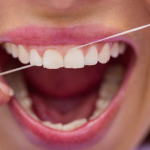
After finishing your Orthodontic Treatment it is important to use Retainers to prevent the Teeth from moving back to their original position. It is also important to keep the retainers clean, so let us look at How to Floss under Permanent Fixed Retainers. So once you are done with Orthodontic treatment you are given Retainers […]
Scientists use RvE1 to regenerate Pulp Tissue to replace Root Canal Treatment
Scientists are very close to make Root canal Treatment a thing of the past by using latest novel technology which will help in regenerating infected and damaged Pulp Tissue. The Study “RvE1 Promotes Axin2+Cell Regeneration and Reduces Bacterial Invasion,” done by Scientists at Forsyth appeared in the Journal of Dental Research. According to the Research, […]
Toothbrushing seen to Reduce Pneumonia rates in Hospitalized patients

In a recent study to check the link between Toothbrushing and Pneumonia, it has been found that regular Toothbrushing in Hospitalized patients has seen a drastic reduction in Pneumonia rates in these patients. In a Research conducted in Brigham and Women’s Hospital and Harvard Pilgrim Health Care Institute which involved 2700 patients in 15 randomized […]
How to Bond Zirconia Crown to Tooth
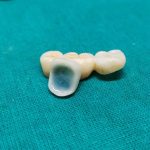
Zirconia in Dentistry was first used in 2000’s due to its similarities to titanium in terms of biocompatibility and strength. It is used in Orthopedics for making prosthetic joints and first used in Dentistry for making Crowns and bridges. Many think of Zirconia as a non metal but in reality it is a metal oxide. […]
Increase in Risk of Oral Cancer due to Inflammatory Tongue Conditions
Incidence of Oral Cancers has increased considerably in the past few decades irrespective of gender or Age as compared to the 1980’s. The exact reasons for this kind of increase is not clear and a team of researchers conducted a case-control study using SEER-Medicare dataset (1992-2013) which included 2534 oral tongue cancers, 6832 oral cancers, […]
What is Phentolamine Mesylate – Used to Reverse effect of Local Anesthesia

Phentolamine Mesylate is an Alpha Adrenergic blocker which is used in Dentistry as a Reversal agent for Local anesthesia. It helps in reversing unwanted prolonged Anesthesia or Numbness and aids in faster recovery from Local anesthesia effect after the Procedure is done. Phentolamine Mesylate is most commonly used in Hypertension as it helps in Vasodilation […]
Vazirani Akinosi Nerve Block – Mandibular Nerve Block

Vazirani Akinosi Nerve Block also called as VA Block is a mandibular nerve block which is preferred in patients with limited mouth opening as it is a closed mouth nerve block. It can be very useful in patients with large tongue or buccal fat which make it difficult to administer a Gow Gates or Inferior […]
Gum infection can lead to Hearth Arrhythmia – Research by Hiroshima University

Are you facing Heart Arrhythmia and you are not able to find any underlying cause for why it is happening? Gum problem or Gum Infection or Periodontitis has been linked to Heart Arrhythmia or Irregular or Abnormal Heart beat or Rhythm. According to a study published in JACC: Clinical Electrophysiology Heart Arrhythmia has been linked […]
Classification of Fluorosis Stains on Teeth

Dental Fluorosis definition – It is defined as the Hypoplasia or Hypomineralization of the Enamel or Dentin of the tooth produced by Chronic Ingestion of excessive amounts of fluoride during the period of tooth development. The age at which Fluorosis can affect the developing teeth ranges between – 22 months to 5-7 years of age. […]
Indian Orthodontic Society complain against at-home Aligner providers to DCI

The Indian Orthodontic Society or (IOS) has complained to the Dental Council of India regarding Aligner Providers in the Country who are aggressively marketing At-Home Dental Aligner treatment in most cases without involving professional Dentists. IOS has also started taking an initiative to bring it to the notice of the common public via its Smile […]
Triple Antibiotic Paste Composition and use in Root Canal Treatment

Triple Antibiotic Paste is a type of Intra Canal Medicament which is used in Endodontic Treatment or Root canal Treatment to kill the micro organisms in the periapical region of an infected Root Canal. Triple antibiotic Paste or (TAP) consists of three medicines – Metronidazole, Ciprofloxacin and Minocycline. This combination of medicines have been found […]
Frequently asked Questions regarding Dental Braces and Water Sports

Orthodontic treatment is the correction of Irregularly placed teeth in the oral cavity or teeth with spaces in between. There are many questions which patients have regarding what can and what cannot be done while wearing Teeth Braces – Metal braces or Ceramic Braces. Orthodontic treatment is a prolonged treatment which can take anywhere between […]